
Update on GMFER Involvement
GMFER’s funding and involvement in this project ended in 2025, ahead of the original 2027 completion date. While GMFER supported the project initially, activities from 2025 onwards aren’t funded or managed by GMFER.
This page remains for transparency and reference.
“Only if we understand, can we care. Only if we care, will we help. Only if we help, shall all be saved..”
Dr. Jane Goodall
Project Overview
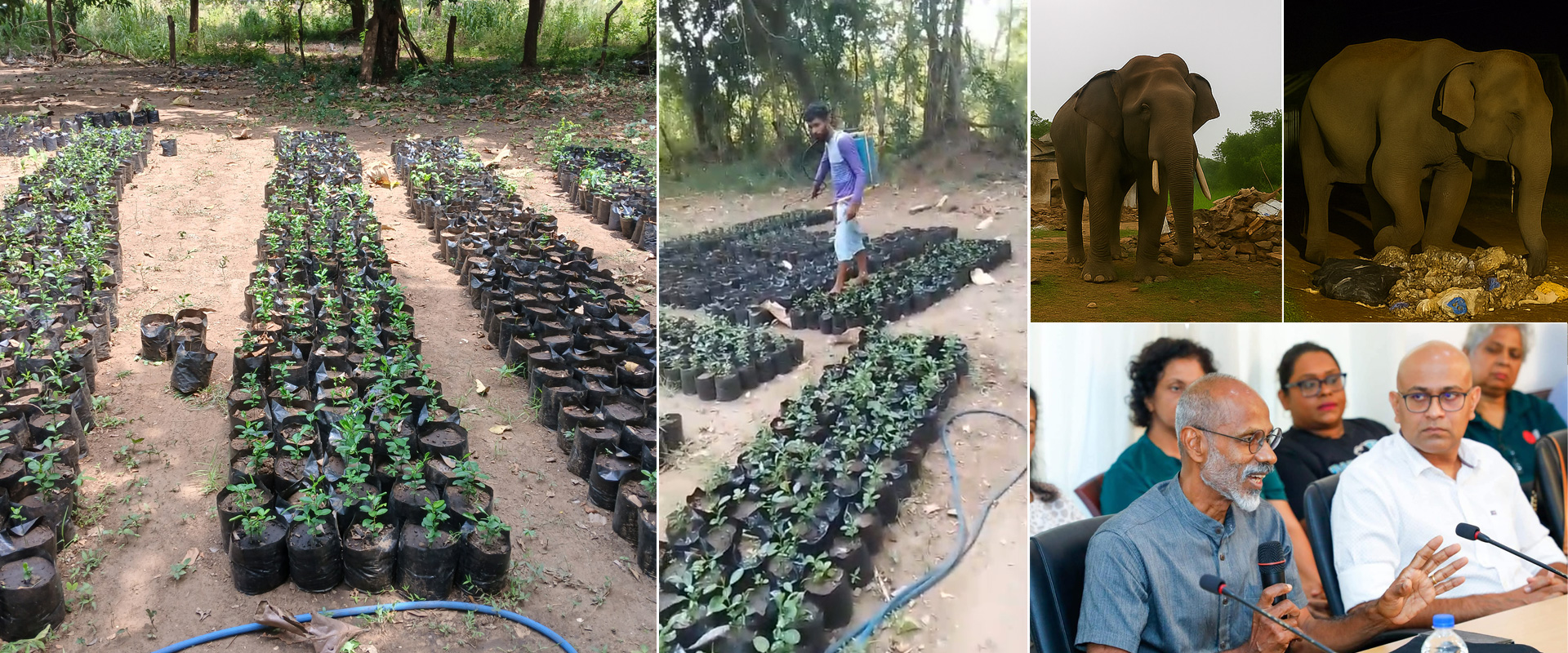
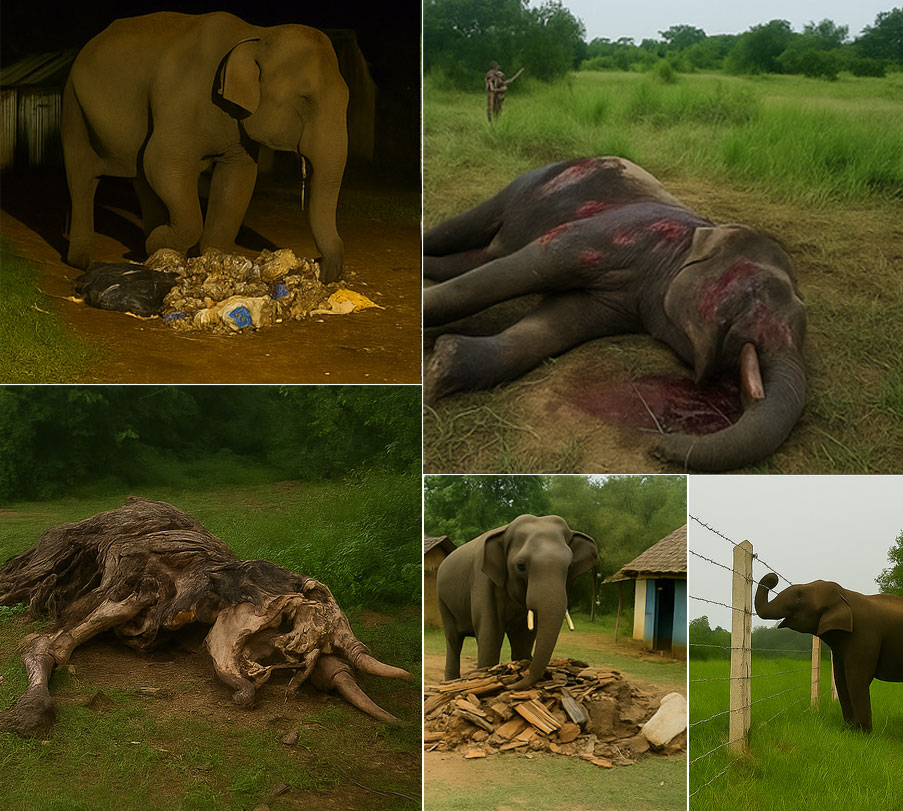
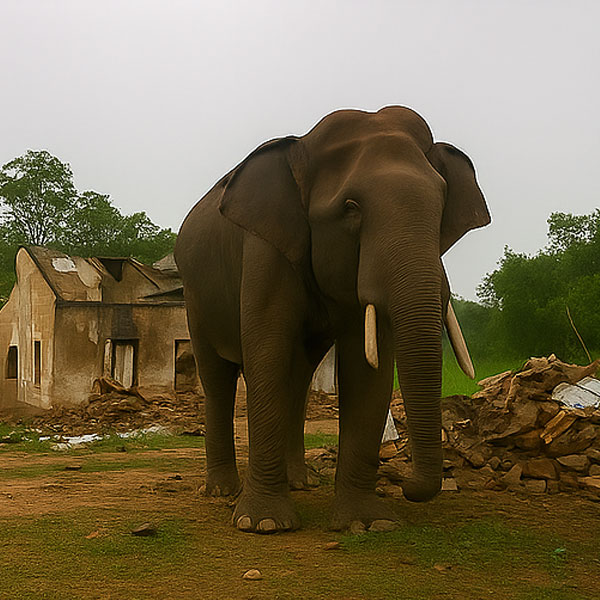
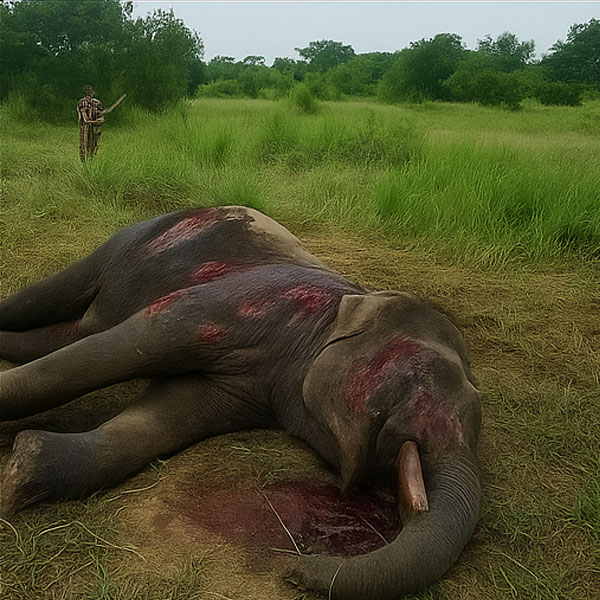
The Elephant Human Coexistence Foundation, in collaboration with GMFER (Global March for Elephants and Rhinos) and others, is conducting a pilot project to study the effectiveness of Lime Tree Bio Fencing in mitigating Human-Elephant Conflict (HEC) in Sri Lanka. The project aims to investigate the potential of Sri Lankan lime plants as a natural barrier to protect crops from elephant damage and promote coexistence.
Objectives
- Evaluate the Effectiveness: Study the effectiveness of Lime Tree Bio Fencing in reducing HEC in small and medium-sized farms in the Anuradhapura District.
- Cheaper and Eco-Friendly Solution: Explore a cheaper, less harmful, and eco-friendly method of protecting crops from damage by elephants.
- Carbon Sequestration: Increase carbon sequestration and contribute to climate change mitigation.
- Income Generation: Develop a viable and profitable income generation opportunity for female farmers in Anuradhapura.
Methodology
The project will be implemented in small, medium, and large-sized farms in the Anuradhapura District. The study will assess the effectiveness of Lime Tree Bio Fencing in reducing HEC and promoting coexistence. The project involves¹:
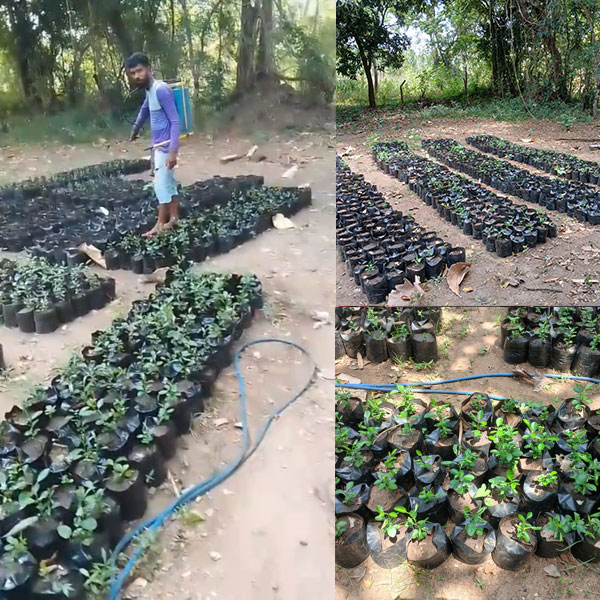
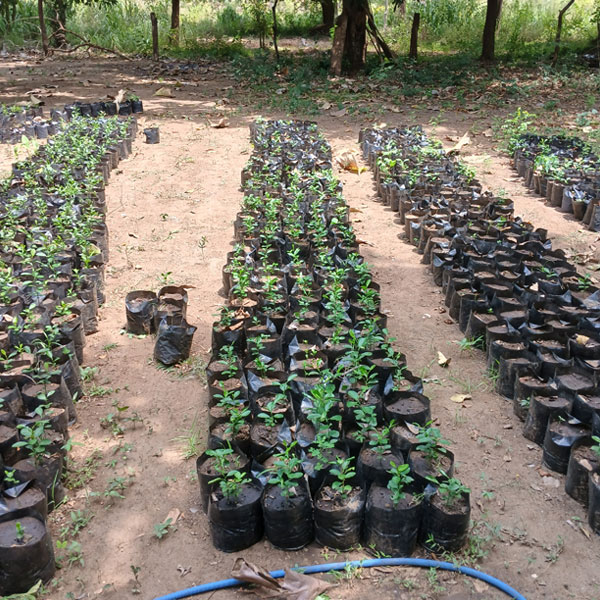
- Preparation of Lime Plants: Preparation of lime plants (March-May 2025)
- Planting of Lime Plants and Construction of Biofence: Planting of lime plants and construction of biofence (June-December 2025)
- Data Collection: Weekly and bi-weekly observations by village representatives and district organizers, respectively, and monthly observations by the director of the Elephant Human Coexistence Foundation (January 2026-December 2027)
- Data Analysis: We’ll be using multiple variables and data points to study the efficacy of the project, including:
- Land Area: 1-2 acres, 2-3 acres, and 3-5 acres
- Crop Type: Corn, Green Chillies, Grains Mix, and other crops
- Citrus Plant Density: 1 plant every 1.5 meters, in a zig-zag pattern
- Elephant Interference:Number of elephant intrusions per month
Expected Outcomes
- Insights into the effectiveness of Lime Tree Bio Fencing in reducing HEC
- Potential economic benefits for local farmers
- Increased community engagement and participation in HEC mitigation
- Contributions to elephant conservation and biodiversity
How to Support
If you’re interested in supporting this project, donate now. Your contribution will help us conduct this important study and explore innovative solutions to HEC mitigation in Sri Lanka.
We appreciate your consideration of this project and look forward to your support.

Every problem has a solution, every solution needs support.
The problems we face are urgent, complicated, and resistant to change. Real solutions demand creativity, hard work, and involvement from people like you.
Lime Tree BLOG

Stay in the know.
Be ready to act.
To keep up to date with our latest news, events, marches,
campaigns and fundraising activities.