
Evaluating the Effectiveness of Lime Tree Bio Fencing: A Pilot Project to Mitigate Human-Elephant Conflict in Sri Lanka
With over 3,500 elephant deaths in a decade, Sri Lanka faces a growing human-elephant conflict. A new pilot by the Elephant Human Coexistence Foundation and partners is testing Lime Tree Bio Fences as a sustainable, nature-based solution.
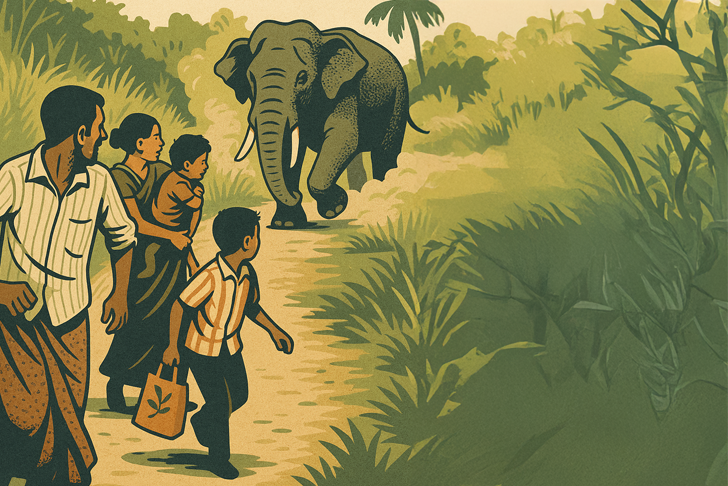
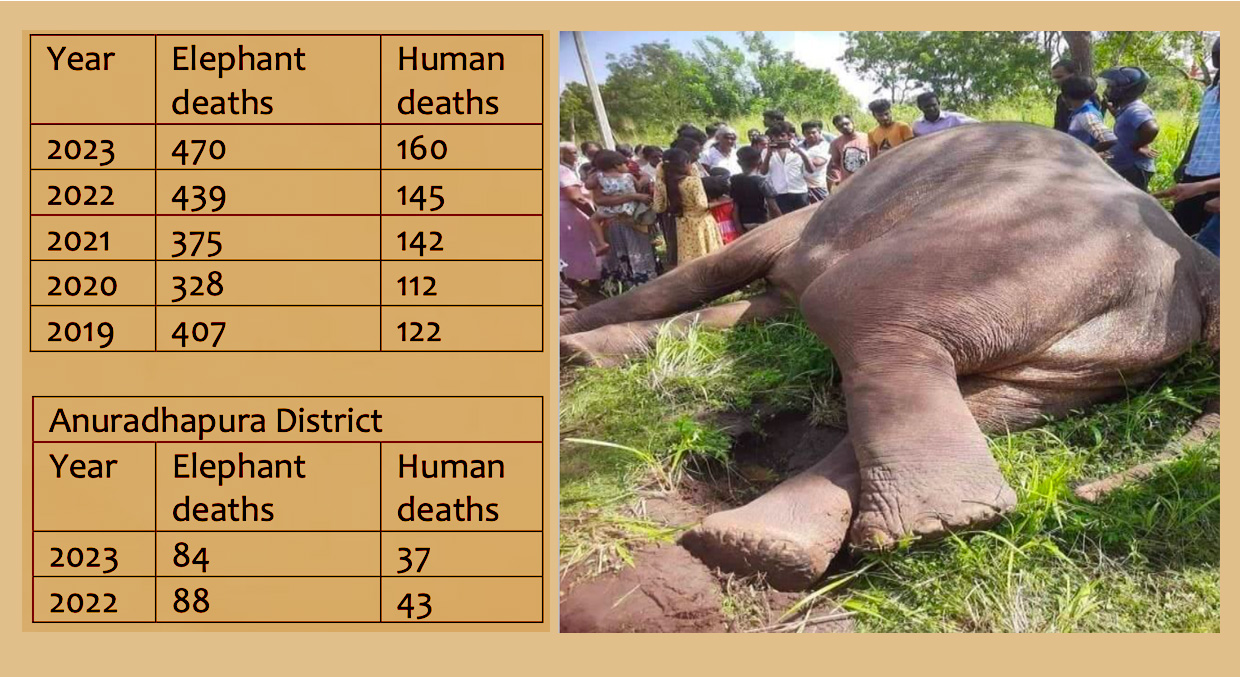
Sri Lanka has one of the highest rates of human-elephant conflict (HEC) in the world, with over 3,500 elephants killed in the last decade and a rapid increase in human deaths. The Elephant Human Coexistence Foundation, in collaboration with Global March for Elephants & Rhinos and others, are conducting a pilot project to evaluate the effectiveness of Lime Tree Bio Fencing in mitigating HEC.
The Problem
- Sri Lanka’s elephant population is estimated to be between 5,000-7,000, with a significant number of human-elephant conflicts occurring in the Anuradhapura District.
- Current strategies, such as electric fencing and elephant drives, have proven ineffective in reducing HEC.
- Lack of financial compensation for farmers and inadequate policy implementation have exacerbated the issue.
The Pilot Project
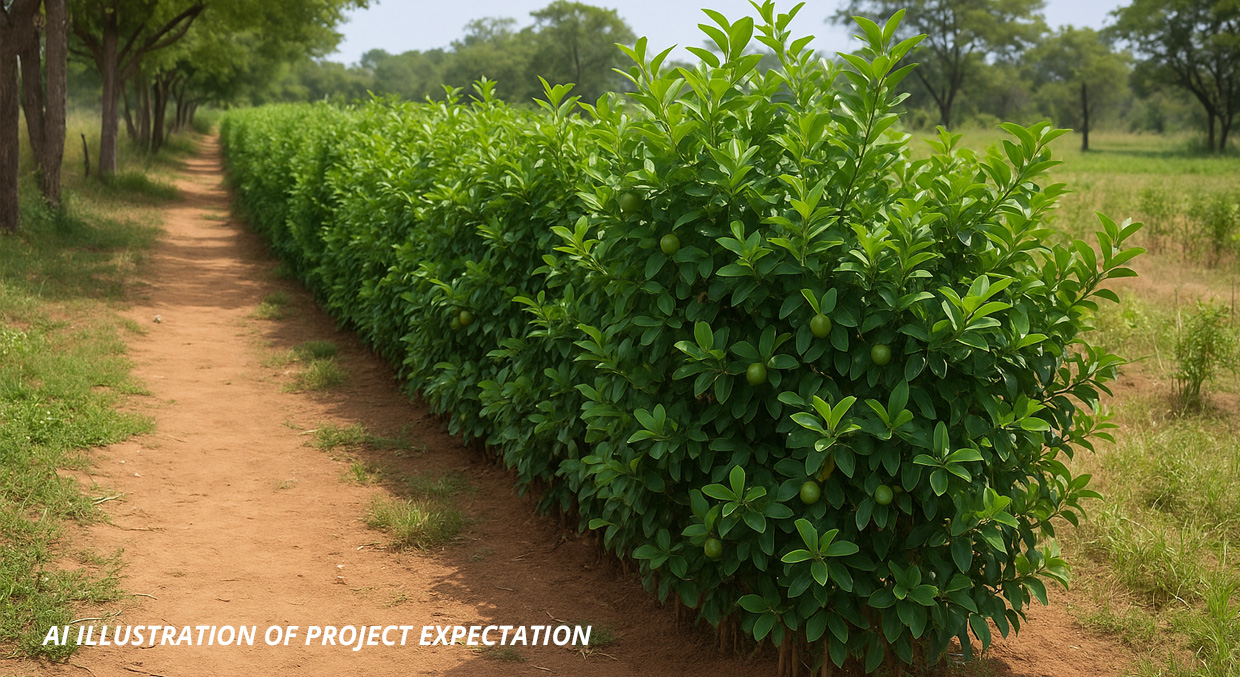
- The Lime Tree Bio Fencing pilot project aims to create a natural barrier using Sri Lankan lime plants to protect crops from elephant damage.
- The project will be implemented in small and medium-sized farms in the Anuradhapura District, with the goal of evaluating the effectiveness of Lime Tree Bio Fencing in reducing HEC and promoting coexistence.
- The study will also assess the potential benefits of the project, including increased carbon sequestration, support for the local economy, and empowerment of female farmers.
Key Components
- Planting Lime Trees: Using Sri Lankan lime plants as a bio-fence to deter elephants.
- Monitoring Elephant Attacks: Tracking the effectiveness of the bio-fence and elephant behavior.
- Farmer Support: Providing assistance to farmers and promoting community participation.
- Project Evaluation: Assessing the impact of the project and adjusting strategies as needed.
Potential Outcomes
- Reduced Conflict: If effective, the bio-fence could help reduce human-elephant conflict, protecting both human and elephant lives.
- Increased Income: The project could provide an additional source of income for farmers through lime production.
- Community Empowerment: The initiative could empower female farmers and promote community participation in HEC mitigation.
- Carbon Sequestration: The project could contribute to increased carbon sequestration, supporting climate change mitigation.
Conclusion
The Lime Tree Bio Fencing pilot project is an important step towards evaluating the effectiveness of this innovative approach to mitigating HEC in Sri Lanka. By conducting a thorough evaluation, we can determine whether this project has the potential to make a significant impact in reducing conflict and promoting coexistence between humans and elephants.
Join the Effort
TYou can support the Elephant Human Coexistence Foundation’s initiative by donating or spreading awareness about the importance of mitigating human-elephant conflict. Together, we can work towards finding effective solutions to this complex issue.
Get Involved
- Donate to support the Lime Tree Bio Fencing pilot project.
- Spread awareness about the importance of evaluating innovative approaches to HEC mitigation.
- Support sustainable agriculture and conservation efforts in Sri Lanka [1].
[1] Reference: https://regenerativeorganicsrilanka.org/blogs/news/project-1-giribawa-elephant-bio-fence
Every problem has a solution, every solution needs support.
The problems we face are urgent, complicated, and resistant to change. Real solutions demand creativity, hard work, and involvement from people like you.

Stay in the know.
Be ready to act.
To keep up to date with our latest news, events, marches,
campaigns and fundraising activities.