
Why we choose an ethical path in wildlife conservation and tourism
What if wildlife conservation and tourism could thrive without killing the very animals we seek to protect? This reflection explores the ethical case for moving beyond trophy hunting toward a wildlife economy built on empathy, photo-tourism and cultural tourism, where wild animals are valued alive and allowed to live out their natural lifespans.

A Cry Scaling Off Soon
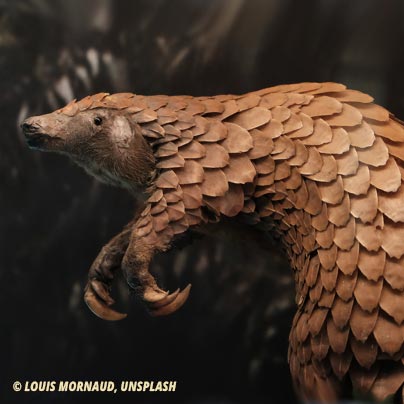
It looks like a pinecone, a walking pinecone with a tongue longer than its own body. This fascinating mammal is called a Pangolin, an animal fairly unknown to most people in the world – even though it’s the most trafficked animal in the world! In some Asian countries, their meat is considered a delicacy in noble restaurants. Their scales and claws, on the other hand, are used in traditional Chinese medicine. There are a total of eight species in the world, living in Asia and Africa. And all eight species are threatened with extinction.
September 12, 2021
Ecosystems, Elephants, Lions, Poaching & Wildlife Trafficking, Rhinos, Traditional Chinese Medicine, WildlifeOur wild world in the time of COVID
“In an increasingly challenging context where development is leading to a rapid loss of wildlife habitat – one of the main causes of extinction – each of us can responsibly play a pivotal role in protecting wildlife habitat. If we help save animal species, we will save the whole Earth”
Chaga Graham

Stay in the know.
Be ready to act.
To keep up to date with our latest news, events, marches,
campaigns and fundraising activities.