
Why we choose an ethical path in wildlife conservation and tourism
What if wildlife conservation and tourism could thrive without killing the very animals we seek to protect? This reflection explores the ethical case for moving beyond trophy hunting toward a wildlife economy built on empathy, photo-tourism and cultural tourism, where wild animals are valued alive and allowed to live out their natural lifespans.
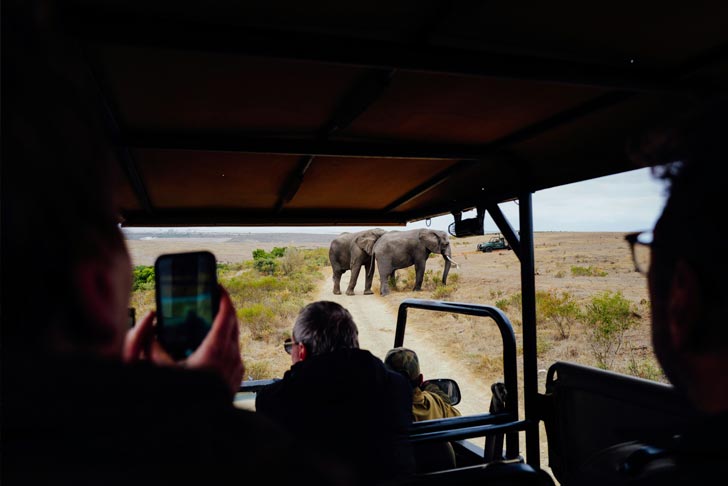
By Timothy Kamuzu Phiri
Trophy hunting has been spoken of as a vital part of tourism and wildlife conservation. There is no doubt that there is a contribution trophy hunting makes to tourism and wildlife conservation, particularly in a monetary form. We can debate for eternity whether the contribution of trophy hunting is indeed as substantiate as presented by proponents of trophy hunting, and indeed fiery debates rage on between proponents of trophy hunting and those against trophy hunting.
This reflection seeks ponder on the ethical aspect of the movement against trophy hunting. At the center of this movement is strong ideology and ethos of the right of all wildlife to life. An ethos that the elephant, lion, buffalo, giraffe, leopard and all wildlife have a right to exist just like we do. A conviction that these species can contribute to tourism and wildlife conservation whilst living their full lifespans, and facing their end only through natural causes and not the hunter’s bullet.
We live in times where the rights of nature are more and more being recognized. This environmental personhood is a legal concept that gives rivers, forests and mountains the same legal rights and identity. This implies that nature can own property, sue and be protected in a court of law. If habitats such as rivers and forests can be recognized as worthy of protection and preservation, why not the wildlife that inhabit the said habitat? The tree, the river, the elephant and the soil are one unit interconnected and intertwined forever.
The argument that will always arise in favour of trophy hunting is that human beings have always hunted wildlife for food and survival, and that trophy hunting is no different to that. In rebutting this assertion, I think we need to make a clear distinction between hunting for pleasure or in keeping a tradition and hunting for actual survival. The two are not the same. In fact local communities that are traditionally hunting communities living next to wildlife protected areas have forfeited their right to hunt for the sake of wildlife conservation. They have given up their traditional rights to the trophy hunter who has the financial muscle to afford the modern hunting license fees. Hunting for pleasure or as a hobby can never be the same as hunting out of the need to survival.
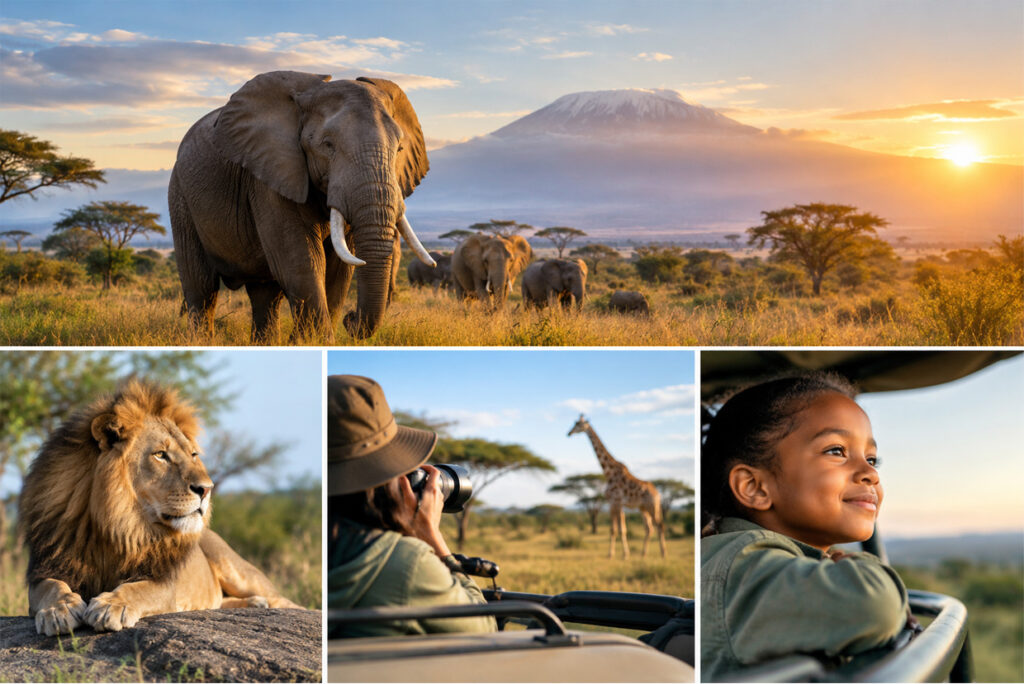
Recognizing that trophy hunting is supported by law in countries where it is promoted and permitted, the onus is of us, the anti-trophy hunting community to showcase how photo-tourism can be optimized to its fullest potential so that it supports the wildlife economy and wildlife conservation. Because of the legitimacy rendered to trophy hunting by law, the shift from a trophy hunting backed wildlife economy to one solely backed photo tourism and cultural tourism will have to be a transitional and patient process.
In conclusion, we have to promote the type of wildlife economy that gives us a clear conscience. One that is less bloody and more humane. One in which the next generation of wildlife lovers learn empathy and that wildlife conservation and tourism don’t have to compromise by killing a few animals to preserve the others. A wildlife economy built on ethics and empathy is possible and necessary.
 |
*The author is Director and co-founder for Mizu Eco-Care, a Zambian environmental conservation NGO promoting environmental sustainability, wildlife conservation and agroecology in Zambia.
Every problem has a solution, every solution needs support.
The problems we face are urgent, complicated, and resistant to change. Real solutions demand creativity, hard work, and involvement from people like you.

Stay in the know.
Be ready to act.
To keep up to date with our latest news, events, marches,
campaigns and fundraising activities.